Vancomycin's Clinical Pain Point
Narrow Therapeutic Window + Individual Variability Sharply Increased Nephrotoxicity Risk
Vancomycin is the “last line of defense” against methicillin-resistant Staphylococcus aureus (MRSA) infections and is essential for treating severe conditions such as sepsis, pneumonia, and endocarditis. However, recent clinical data indicates that inappropriate vancomycin use results in nephrotoxicity in 15%-20% of patients, with some critically ill patients developing permanent renal impairment.
The core challenge lies in its extremely narrow therapeutic window. Blood drug concentrations must be strictly maintained between 10 and 15 μg/mL to ensure efficacy. Concentrations below 5 μg/mL triple the risk of developing resistant bacteria, and levels exceeding 20 μg/mL cause an exponential increase in the incidence of nephrotoxicity (data from the Chinese Journal of Infectious Diseases, 2023). More concerning is the significant variability in vancomycin metabolism among individuals. Relying solely on weight-based dosing fails to account for patients' differing metabolic states.
Mandatory TDM Populations
The Clinical Application Guidelines for Antimicrobial Agents (2023 Edition) explicitly stipulates that the following four patient groups require continuous monitoring of vancomycin blood concentrations throughout treatment. Failure to do so significantly increases the risk of toxicity:
‖ Patients with renal impairment:
Approximately 90% of vancomycin is excreted renally. In patients with reduced renal function, the drug's half-life may extend from 6–8 hours to over 72 hours, predisposing them to drug accumulation and toxicity.
‖ Elderly patients and neonates:
Physiological renal decline in the elderly and underdeveloped kidneys in neonates result in significantly reduced metabolic capacity, where standard doses may cause excessive blood concentrations.
‖ Long-term users:
Patients receiving treatment for over seven days require regular dose monitoring and adjustment to prevent cumulative ototoxicity and nephrotoxicity.
‖ Patients on concomitant medications:
When vancomycin is used with nephrotoxic agents, such as diuretics or aminoglycoside antibiotics, the adverse effects may be compounded, necessitating precise dose control through monitoring.
Clinical case: In critically ill patients without therapeutic drug monitoring, vancomycin toxicity occurs 4.2 times more frequently than in monitored groups (Journal of Chinese Hospital Pharmacy, 2022 study).
Challenges of Traditional TDM
Despite the critical importance of monitoring, traditional testing methods struggle to meet clinical demands:
● High-performance liquid chromatography (HPLC):
Complex operation with a 2-4 hour testing cycle. Critically ill patients must wait for results before medication adjustments can be made, which can delay treatment.
● Enzyme-amplified immunoassay:
The cost exceeds 150 yuan per sample, which imposes a heavy financial burden on patients undergoing long-term monitoring.
● Limitations in primary care facilities:
Many primary care facilities lack specialized testing equipment, resulting in monitoring coverage rates below 30%.
Innovation Enables Precision Monitoring
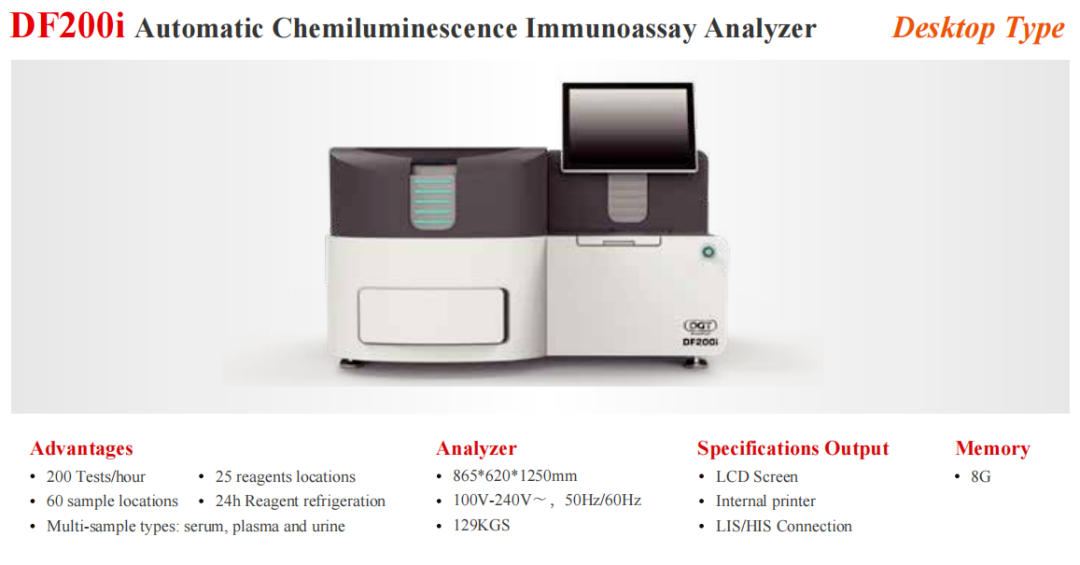
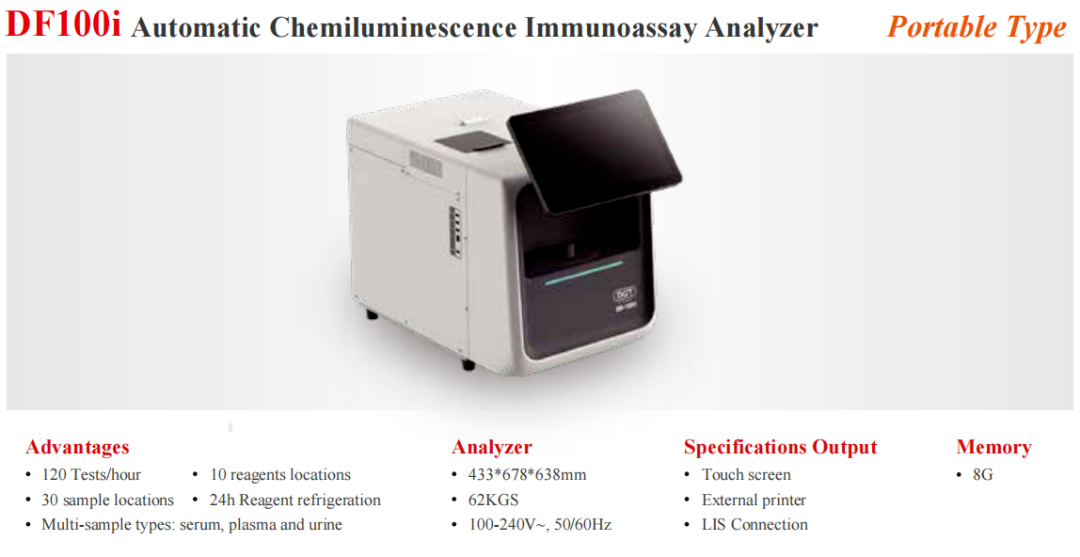
Fluorescent immunoassay technology is an efficient solution for vancomycin therapeutic drug monitoring. Based on the competitive principle, this technique uses fluorescent signals to quantify drug concentrations, offering the following advantages:
✓ Rapid response: Results are available within 15 minutes, which meets the need for immediate medication adjustments for critically ill patients.
✓ Simple operation: Only 50 μL of whole blood is required, and no complex instruments are needed, enabling implementation even in primary care hospitals.
✓ Accurate and reliable:Linear range of 1–40 μg/mL.
In the current era of rampant drug-resistant bacteria, the rational use of vancomycin affects not only individual patient outcomes, but also public health safety. Therapeutic drug monitoring is an essential requirement for ensuring medication safety, not an “optional extra.” The widespread adoption of fluorescent immunoassay technology has freed precise monitoring from laboratory constraints, bringing it to the forefront of clinical practice and extending it to primary care settings. This establishes a robust safety barrier for treating severe infections and transforms the "last line of defense" into a beacon of hope for patients.
Automated Therapeutic Drug Monitoring Platformfor Chemicals and Biologics