The Safety Anchor of Immunosuppressive Therapy
In organ transplantation and autoimmune disease treatment, tacrolimus serves as a potent immunosuppressant and a "critical defense line" that safeguards patient health. However, its narrow therapeutic window and significant interindividual variability necessitate therapeutic drug monitoring for its safe administration. In vitro diagnostic reagents fortify this "safety barrier" by enabling precise testing.
Immunosuppression’s “Powerful Tool” : Risks Follow Concentration Imbalance
Tacrolimus effectively prevents organ transplant rejection by inhibiting T-cell activation. It is also used to treat moderate-to-severe atopic dermatitis, lupus nephritis, and other conditions. It is used in over 50 countries. However, the therapeutic and toxic doses of this drug are similar, with a target blood concentration of only 5-20 ng/mL.Too low a concentration may lead to organ rejection and disease recurrence, while too high a concentration can cause serious side effects, such as kidney damage, neurotoxicity, and metabolic disorders. In extreme cases, it can pose a life-threatening risk. Individual variations are further exacerbated by factors such as age, liver function, and concomitant medications, making dose adjustment alone insufficient to ensure safety.
IVD: Unlocking the Core Secrets of Precision Medication
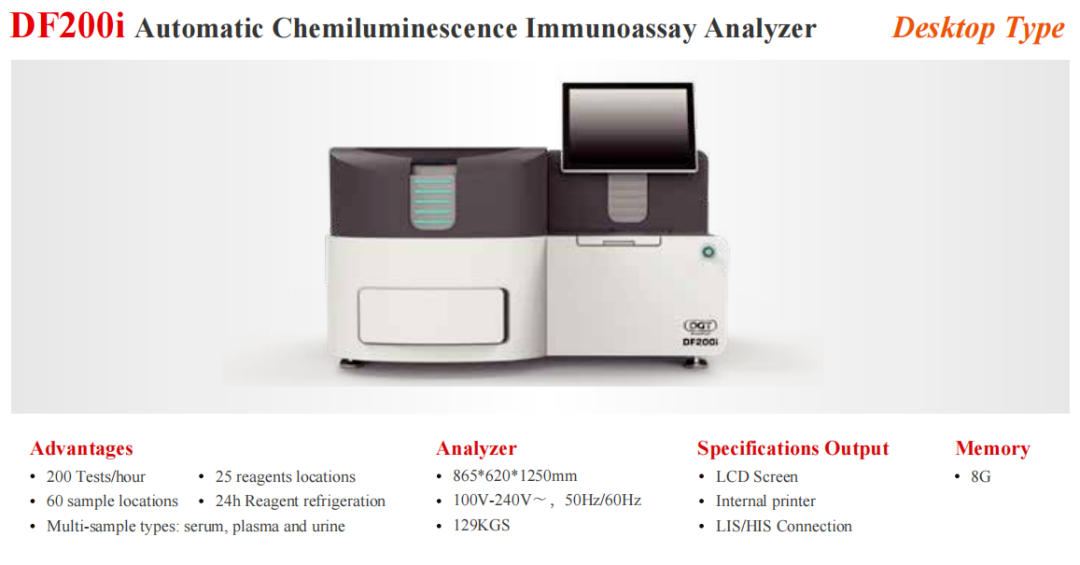
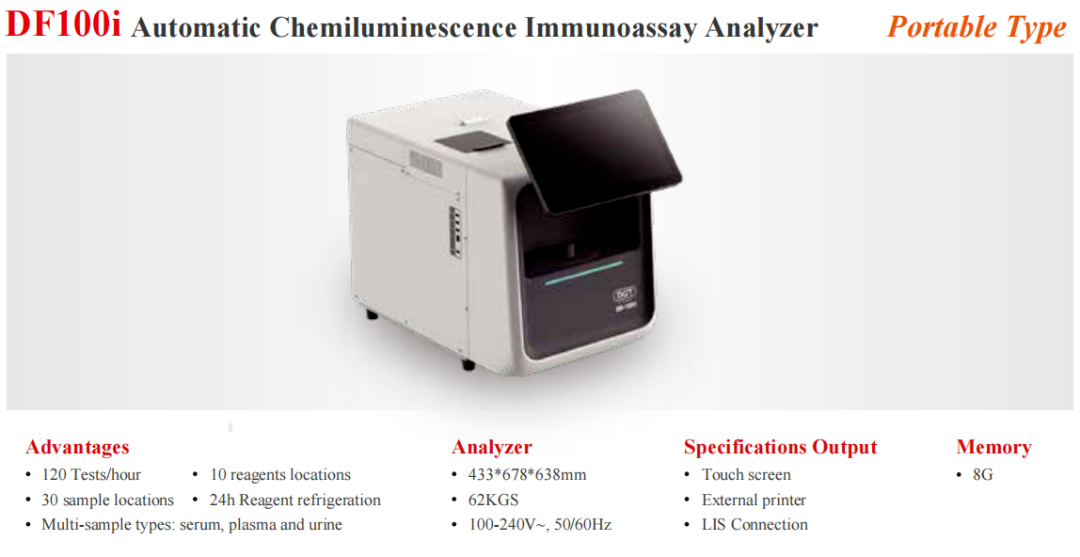
Therapeutic drug monitoring (TDM) serves as the "navigation system" for tacrolimus administration, and in vitro diagnostic reagents are the "core tools" of TDM. Physicians can dynamically adjust tacrolimus dosages by measuring trough concentrations in whole blood to maintain drug levels within safe ranges. The target concentration is 10-15 ng/mL one month post-liver transplantation and 5-10 ng/mL six months post-kidney transplantation [2]. Current mainstream detection technologies include liquid chromatography-tandem mass spectrometry (LC-MS/MS) and chemiluminescent immunoassay [1]. LC-MS/MS exhibits minimal deviation (-10.9% to 7.7%), and chemiluminescent immunoassay enables automated pretreatment and delivers results within 20 minutes, supporting rapid clinical decision-making.
Technological Innovation: Enhancing the Clinical Value of In Vitro Diagnostic Reagents
New‑generation tacrolimus IVD assays continue to break through technical bottlenecks. The DIAGREAT chemiluminescence kit offers the following key advantages:
●High specificity, avoiding cross‑interference from metabolites, with CV as low as 0.4%–2.5%;
● The LC‑MS/MS kit features a complete traceability chain and achieves up to 97.5% consistency with reference methods, meeting the needs of diverse clinical scenarios;
● Streamlined workflow and precise data help reduce the risks of rejection and toxicity.
Clinical studies show that standardized monitoring can improve long‑term transplanted organ survival by more than 30%.
Clinical Consensus: Monitoring serves as the "safety baseline" for long-term treatment
Experts emphasize that tacrolimus therapy requires continuous monitoring. Once a week for the first three months after transplant, followed by regular follow-ups once stable. Additional testing is necessary after dose adjustments or when combining medications. Widespread adoption of in vitro diagnostic reagents enables patients to undergo precise testing at primary care hospitals, eliminating the need for frequent travel and facilitating long-term treatment.
Medication safety is no trivial matter. In vitro diagnostic reagents leverage technological innovation to address tacrolimus dosing challenges. Adhering to the clinical principle of "monitoring-guided medication" ensures the efficacy and safety of immunosuppressive therapy.
Reference:
[1] Xu Mingzhe, Yin Lihui, Hu Changqin. Determination of Tacrolimus Ointment Content and Uniformity of Distribution by HPLC [J]. Chinese Journal of Antibiotics, 2005, 30(12): 748-751.
[2] Ding Shaobo, Hu Minyan. Therapeutic drug monitoring of tacrolimus [J]. Chinese Journal of Hospital Pharmacy, 2002, 22(3): 147-149.
Automated Therapeutic Drug Monitoring Platformfor Chemicals and Biologics