March 24 is World Tuberculosis Day. The core theme for 2026 is "Comprehensive Action, Full Commitment, Universal Participation, End TB". As a major chronic respiratory infectious disease globally, TB prevention and control is a key public health issue. Achieving scientific prevention and precise diagnosis relies not only on collective societal participation but also on professional in vitro diagnostic technologies to safeguard the entire course of anti-TB treatment.
TB: A Persistent Public Health Challenge
Tuberculosis is a chronic respiratory infectious disease caused by Mycobacterium tuberculosis, primarily transmitted through respiratory droplets. It is characterized by a long incubation period, strong concealment, and prolonged treatment cycles, and has long threatened human health. In recent years, breakthroughs have been made in TB prevention and control worldwide and in China, yet significant challenges remain.
Key Data (Sources: WHO 2025 Global TB Report, National Bureau of Disease Control and Prevention)——
∠ Global Perspective: In 2023, there were an estimated 10.8 million new TB cases globally, including 400,000 new cases of multidrug-resistant/rifampicin-resistant TB (MDR/RR-TB), which remains a top global prevention priority.
∠ Progress in China: In 2024, China estimated 696,000 new TB cases, with an incidence rate of 49 per 100,000 people, marking the first time China has been classified as a medium-low TB prevalence country. From 2015 to 2023, the incidence rate dropped by ~20% and mortality by 35%.
∠ Ongoing Challenges: China remains a high-burden country for MDR/RR-TB, with an estimated 28,000 new drug-resistant cases in 2024 (7.1% of the global total, ranking second worldwide). Additional challenges include significant regional disparities, insufficient active case detection, and long treatment cycles for drug-resistant TB.
∠ Disease Characteristics: TB incubation can last months to years. Early symptoms such as persistent cough and low-grade fever are easily overlooked, delaying diagnosis and worsening outcomes while increasing transmission risk.
Early Prevention and Precise Medication: The Key to Control
TB is not an incurable disease. With scientific prevention, timely diagnosis, and standardized drug treatment, most patients can achieve clinical cure. Aligned with China’s TB prevention guidelines, scientific control follows a three-level prevention framework to reduce infection, incidence, and transmission at the source:
∠ Primary Prevention: Reduce infection through etiological control
Adopt good hygiene practices, avoid close contact with TB patients, and maintain indoor ventilation. Protect high-risk groups (elderly, children, immunocompromised individuals) and promote BCG vaccination to build basic immunity.
∠ Secondary Prevention: Early detection, diagnosis, and treatment
Monitor for warning signs: persistent cough (≥2 weeks), blood in sputum, low-grade fever, night sweats, or unexplained weight loss. Conduct active screening among close contacts, school populations, and nursing home residents to enable early diagnosis.
∠ Tertiary Prevention: Standardized treatment to minimize harm
Confirmed patients must adhere to the principles of "early, combined, appropriate, regular, and full-course" treatment to avoid drug resistance from self-discontinuation or dose reduction. For drug-resistant TB patients, personalized regimens are required, supported by therapeutic drug monitoring (TDM) to enable precise dosing and improve treatment success rates.
TDM is a cornerstone of drug-resistant TB care. Linezolid, a second-line anti-TB drug, demonstrates excellent activity against multidrug-resistant Mycobacterium tuberculosis but has a narrow therapeutic window and large interindividual variability. Excessively high drug levels may cause neurotoxicity or gastrointestinal side effects, while subtherapeutic levels fail to inhibit bacterial growth and may drive further resistance. Thus, precise monitoring of linezolid concentrations is critical for personalized dosing and safe, effective treatment.
Linezolid TDM: Precision for Anti-TB Therapy
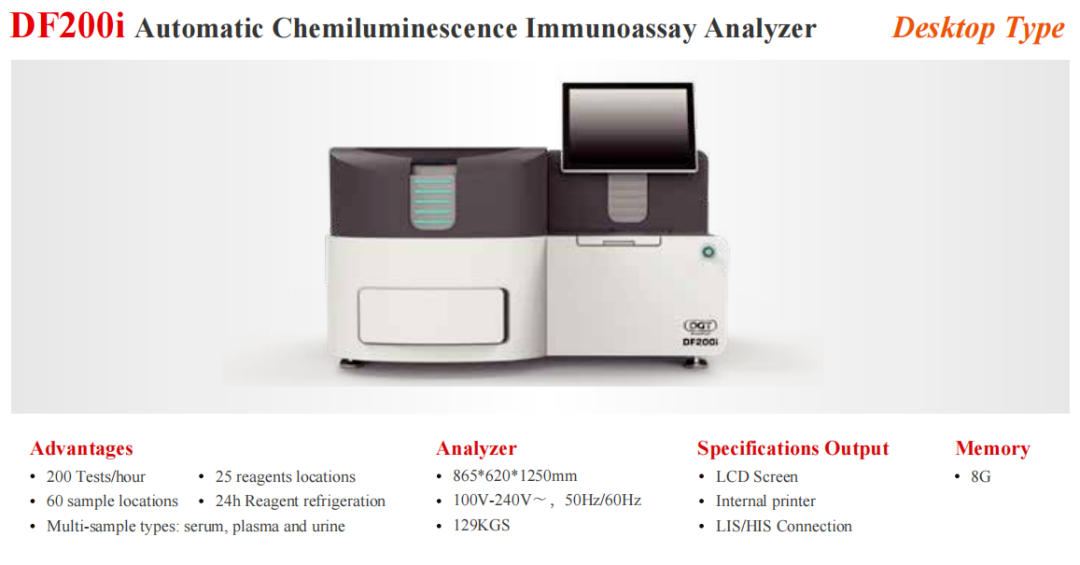
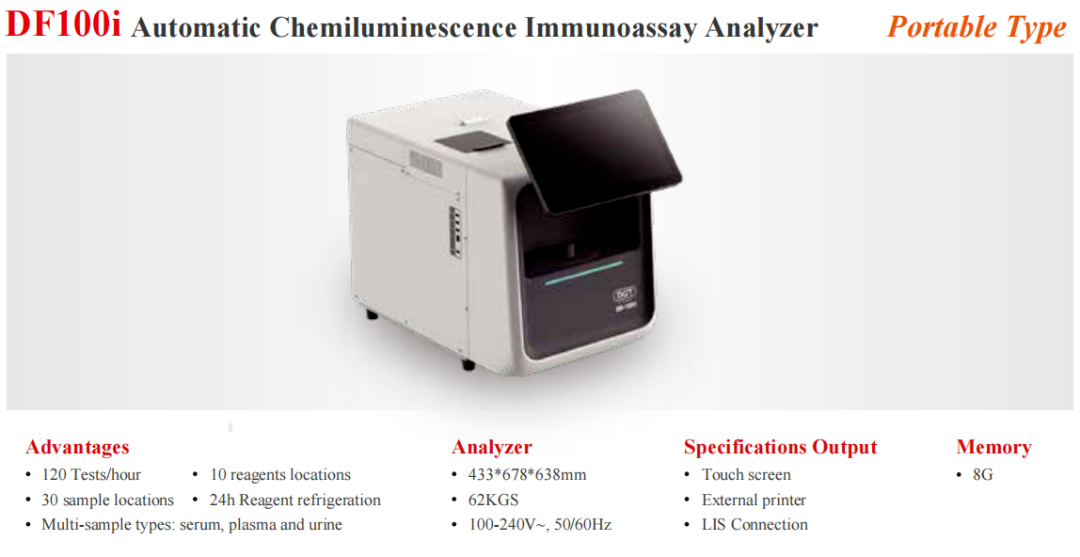
As a professional in vitro diagnostics enterprise, DIAGREAT has long focused on therapeutic drug monitoring (TDM), developing advanced reagents and supporting devices. Leveraging chemiluminescent immunoassay technology and fully automated chemiluminescent analyzers, we deliver clinical testing solutions that are fast, accurate, and simple, enabling personalized treatment and precise medication for patients.
We have launched the Linezolid Therapeutic Drug Monitoring service, with Rifampicin monitoring set to launch soon. Backed by proven testing technologies and a comprehensive service system, DIAGREAT provides a more complete, precise, efficient, and convenient diagnostic support platform for clinical anti-TB care.