A Novel Interpretation of Tacrolimus-Induced Tremor
Tacrolimus is one of the most commonly used immunosuppressants following organ transplantation. However, its neurotoxic side effects, particularly tremor, can severely impact patients' quality of life. The specific mechanism underlying tacrolimus-induced tremor is currently unclear. A recent study published in Scientific Reports systematically revealed potential molecular mechanisms underlying tacrolimus-induced tremor by integrating network toxicology with molecular docking technology. This offers new insights into the understanding of its neurotoxicity.
Research background and objectives
Tacrolimus, a calcineurin inhibitor, is widely used in immunosuppressive therapy following organ transplantation. While it significantly improves graft survival rates, it is often linked to neurotoxic side effects, with tremor being the most prevalent manifestation and having a severe impact on patients' quality of life. The specific mechanism underlying tacrolimus-induced tremor remains unclear. This study takes a dual approach, combining network toxicology and molecular docking, to systematically identify the core targets and pathways associated with tacrolimus-induced tremor. This provides a theoretical basis for understanding the mechanisms of its neurotoxicity.
The research process is illustrated in the figure below. It primarily consists of the following steps:
- Tacrolimus target collection: Predict tacrolimus action targets using the ChEMBL, SEA, TargetNet and SwissTargetPrediction databases.
- Tremor-related target screening: Identify genes related to tremor from the GeneCards, OMIM and TTD databases.
- Common Target Identification: Use Venn diagram analysis to identify shared targets between tacrolimus and tremor.
- Protein-Protein Interaction Network Construction and Core Target Screening: Use STRING and Cytoscape to construct PPI networks and screen core targets.
- Function and pathway enrichment analysis: Potential biological processes and pathways were revealed through GO and KEGG analyses.
- Molecular Docking Validation: Predicted the binding modes of tacrolimus with core targets using CB-Dock2 and AutoDock Vina.

Fig.1. Flow chart of the study
01. Core Target Identification
The study identified 43 potential targets associated with tacrolimus-induced tremor. Through network topology analysis, five core targets were extracted:
AKT1 (serine/threonine kinase), GBA (glucocerebrosidase) and SCN8A, SCN2A and SCN4A (voltage-gated sodium channel subunits).
Fig. 3. (A) Venn diagram displaying the common targets between tacrolimus and tremor-associated targets. (B) Network representation of the interactions among Tacrolimus, its targets, and tremor-related genes.
02. Key Signaling Pathways
GO and KEGG enrichment analyses revealed significant enrichment of these targets in the following pathways:
Dopaminergic synapse, Parkinson's disease, Rap1 signaling, spinocerebellar ataxia and apoptosis pathways. These findings suggest that the mechanism underlying tacrolimus-induced tremor may be similar to that underlying Parkinson's disease tremor.
Fig. 5. GO enrichment analysis of potential targets (top 10). (A) Histogram showcasing the top 10 enriched terms across BP, CC, and MF. (B) Bubble chart where the size of each bubble corresponds to gene expression.

Fig. 6. KEGG enrichment analysis of potential targets (top 10). (A) Histogram displaying the frequency and significance of enrichment for each pathway. (B) Bubble chart visualizing the top 10.
03. Molecular Docking Results
Molecular docking analysis revealed that tacrolimus exhibited the strongest binding affinity with SCN8A and SCN2A, suggesting that sodium channels may play a direct role in its neurotoxicity. AKT1 occupies a central position in the network, but has a relatively low direct binding affinity, suggesting that it may contribute to tremor development indirectly, through downstream signalling cascades.
04. Mechanistic Hypotheses
The study puts forward a dual-mechanism hypothesis to explain tacrolimus-induced tremor.
∠ Direct action: High-affinity binding to sodium channels (SCN8A/SCN2A) disrupts action potential conduction, leading to neuronal hyperexcitability.
∠ Indirect effect: Tacrolimus inhibits calcineurin, modulating kinase pathways such as AKT1 and regulating processes including apoptosis and synaptic plasticity, which collectively promote tremor development.
Fig. 8. Molecular docking results for core targets. (A) Interaction between tacrolimus and AKT1; (B) Interaction between tacrolimus and GBA; (C) Interaction between tacrolimus and SCN8A; (D) Interaction.
Research Significance and Outlook
∠ Theoretical value: This study systematically elucidates the molecular network underlying tacrolimus-induced tremor for the first time, proposing similarities with the mechanism of tremor in Parkinson's disease and expanding our understanding of neurotoxic mechanisms.
∠ Clinical implications: The identified core targets and pathways could be used as potential biomarkers to assess tremor risk early on and to provide personalised medication guidance.
Acrolimus is a key immunosuppressant following organ transplantation; however, 41.7% of recipients experience mild to severe tremors induced by the drug. Serum drug concentration is an independent factor that influences the occurrence of mild tremors. Precise monitoring of serum drug levels is crucial for balancing the efficacy of immunosuppression with the risk of neurotoxicity, optimizing treatment and safeguarding patients' quality of life.
Literature information:
Article:Using network toxicology and molecular docking to identify core targets and pathways underlying tacrolimus-induced tremor in organ transplant recipients
Journal:Scientific Reports
Publication Date:July 2025
Authors:Chao Liu, Qian Chen, Fu Yan & Yulin Niu
DOI:10.1038/s41598-025-02381-5
Automated Therapeutic Drug Monitoring Platformfor Chemicals and Biologics
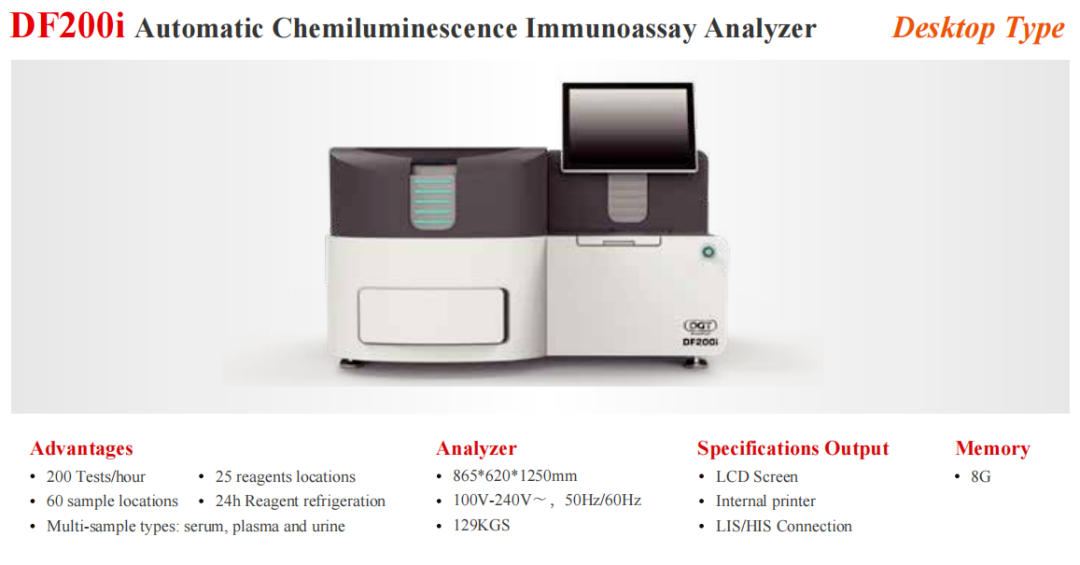
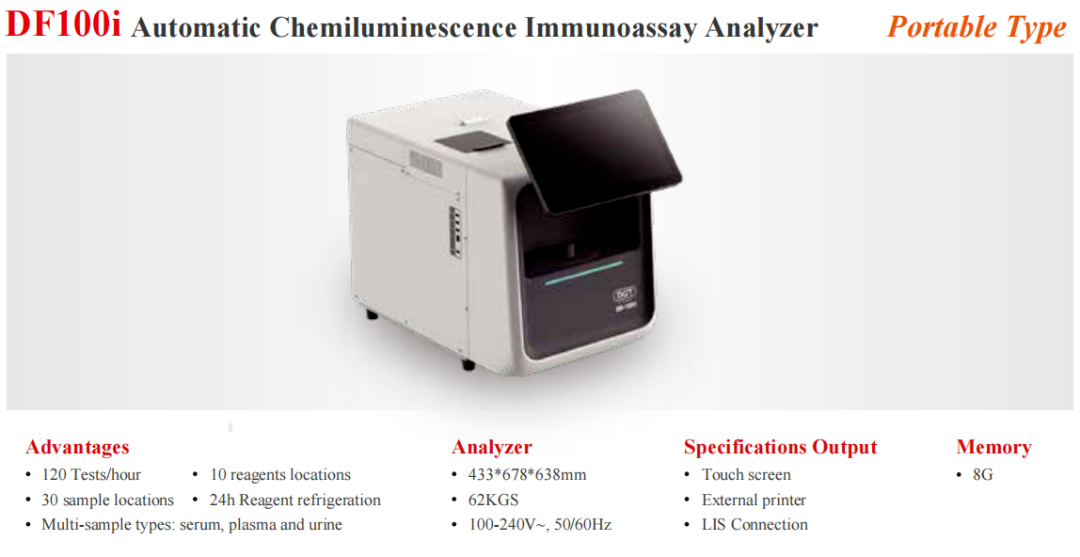

Founded in 2013 and headquartered in the Beijing Economic-Technological Development Area, DIAGREAT boasts a core team composed of senior experts and doctors in clinical medicine, pharmacy, immunology, laboratory medicine and other fields.
As an internationally leading enterprise in the AI-assisted precision drug therapy sector, DIAGREAT provides solutions for clinical personalized precision medication, safety monitoring and rapid new drug evaluation relying on artificial intelligence. Focusing on Therapeutic Drug Monitoring (TDM / blood drug concentration monitoring), the company develops precision medication application models based on large models, achieves precise drug therapy through the intelligentization of genetic testing and TDM, and innovatively drives the development of blood drug concentration determination toward intelligence, automation and point-of-care testing.
The company has built an upstream key raw material platform for TDM, and achieved independent control of core raw materials and technologies in small molecule conjugation, antibody R&D, protein and enzyme engineering, nucleic acid synthesis and other fields. Up to now, it has been granted 51 domestic and international patents, more than 200 medical device registration certificates and over 180 international certifications including CE and Brazil certifications, and has passed ISO9001 and ISO13485 quality system certifications. Its core products are exported to more than 60 countries and regions around the world, and serve hundreds of Class III Grade A hospitals in China.