Mycophenolic acid (MPA) is a widely used immunosuppressant in solid organ transplantation and autoimmune diseases. Approved by the FDA in 1995 for preventing transplant rejection, it demonstrates clear efficacy in the induction and maintenance treatment of lupus nephritis (LN). Clinical trials confirm its non-inferiority or superiority compared to traditional medications. In organ transplantation, therapeutic drug monitoring (TDM) to adjust MPA dosage reduces rejection rates and treatment failure, with a target AUC of 30–60 mg·h/L. However, the role of TDM in LN treatment and the optimal target AUC remain inconsistent, and adverse reaction concentration thresholds are unclear. Given individual and racial metabolic variations and the need for personalized therapy, TDM of MPA in LN patients has garnered significant attention. This study systematically analyzes publicly available data to determine the optimal MPA-AUC target concentration that balances efficacy and safety.
Clinical Practice Cases of MPA-TDM in the Treatment of LN
This study retrieved relevant English-language literature up to 2023 from PubMed, Scopus, and the Cochrane Library. Given the focus on exploring the concentration-effect relationship of MPA in lupus nephritis, the analysis was restricted to data from patients with LN receiving MPA treatment. In addition to MPA concentration-related data, relevant indicators reflecting renal outcomes—such as clinical remission, serum creatinine, proteinuria, and SLE activity scores—were also statistically analyzed. Following screening, data from 433 patients across 16 articles were retained for statistical analysis out of 1,507 identified publications.
Relationship Between MPA-AUC and Renal Response
Among the 16 studies, 7 investigated the relationship between MPA-AUC and clinical efficacy. The 117 patients who responded to MPA therapy exhibited significantly higher MPA-AUC levels (51.4 ± 21.7 mg·h/L), whereas the 67 non-responders showed lower levels (30.3 ± 16.2 mg·h/L). with a weighted mean difference (WMD) of 16.8 mg·h/L (95% CI 10.6 to 23.1). The weighted mean difference and standardized mean difference (SMD) analysis for this study are shown in Figure 1.

Figure 1:(A) Forest plot demonstrating weighted mean difference (WMD) of MPA-AUC between response and non-response patients. (B) Forest plot demonstrating standardized mean difference (SMD) of MPA-AUC between response and non-response patients.
The Relationship Between MPA-C0 and Renal Response
Four articles analyzed the relationship between MPA-C0 and renal response, involving 141 patients. Among them, 115 patients were classified as responders, while 26 patients were non-responders. Notably, the C0 values in the responder group were significantly higher than those in the non-responder group (2.50 ± 1.73 mg/L vs. 1.51 ± 1.33 mg/L). The weighted mean difference was 1.37 mg/L (95% CI 0.77 to 1.97). The weighted mean difference and standard mean difference analysis from this study are shown in Figure 2.

Figure 2, (A) Forest plot demonstrating WMD of C0 MPA between response and non-response patients. (B) Forest plot demonstrating SMD of C0 MPA between response and non-response patients.
MPA-AUC and adverse events
Three articles conducted detailed investigations into the relationship between MPA-AUC and adverse reactions. Among the patients involved, 32 reported adverse reactions, while 28 did not experience any adverse reactions. These adverse events included infections, hematologic adverse events, and gastrointestinal issues. However, no significant correlation was found between MPA-AUC and the occurrence of adverse events when comparing the two patient groups (MPA-AUC values were 40.3 ± 41.8 mg·h/L and 32.1 ± 39.0 mg·h/L for patients with and without adverse events, respectively).
Regression Analysis of MPA-AUC and Renal Response
When performing regression analysis between MPA-AUC and renal response, data from 12 relevant publications were utilized. As shown in Figure 3, within the MPA-AUC range of 40–60 mg·h/L, a significant correlation was observed with a clinical remission rate of 70%–80% (regression coefficient: 0.005).
Figure 3. Meta-regression demonstrating the association between MPA-AUC and response rate in lupus nephritis studies.
This study represents the first meta-analysis to evaluate the potential significance of TDM application in MPA treatment for lupus nephritis. Moreover, key findings indicate that both MPA AUC and C0 correlate with treatment response in lupus nephritis: maintaining MAP-AUC between 30-60 mg·h/L increases the likelihood of patient response by 3.17 times compared to lower concentrations. At MAP-AUC of 64 mg·h/L, renal response rates reach 80%; The mean C0 in responders was 2.5 ± 1.7 mg/L, significantly higher than the 1.5 ± 1.3 mg/L in non-responders. Based on this, a target C0 range of 2.5–4.2 mg/L for mycophenolate mofetil in lupus nephritis treatment is recommended.
Regarding safety, this meta-analysis found no statistically significant association between MPA levels and adverse reactions. However, this conclusion is based on only three relevant studies, most of which did not explicitly report organ-specific adverse reactions (e.g., diarrhea, leukopenia) nor monitor free MPA concentrations, limiting the generalizability of these findings.
In summary, this meta-analysis confirms the association between MPA-AUC and C0 with renal response in lupus nephritis treatment, emphasizing the importance of TDM for individualized MPA dosing and enhancing treatment efficacy. However, these findings require validation through subsequent prospective clinical trials.
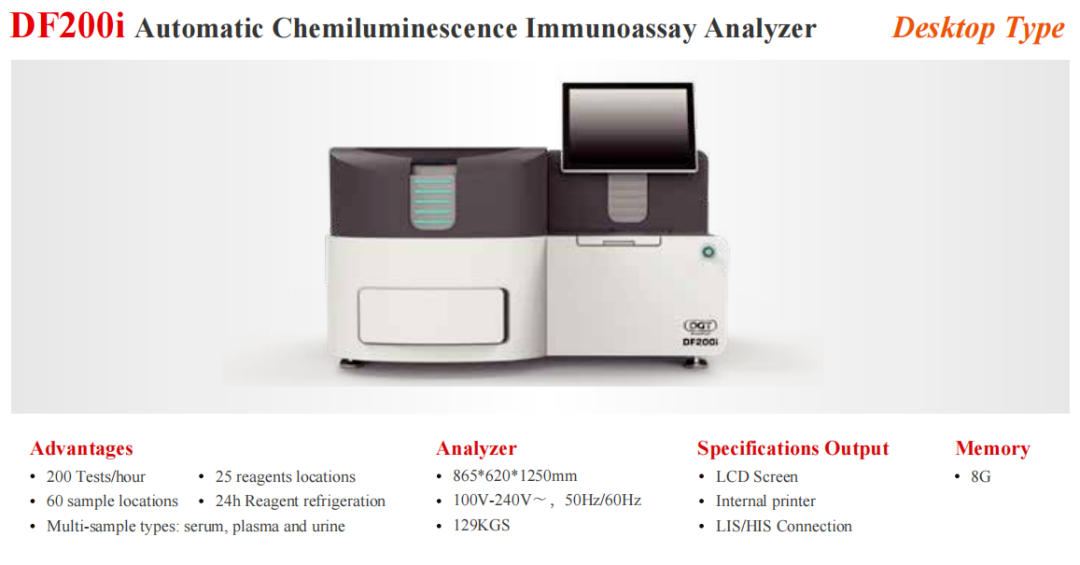
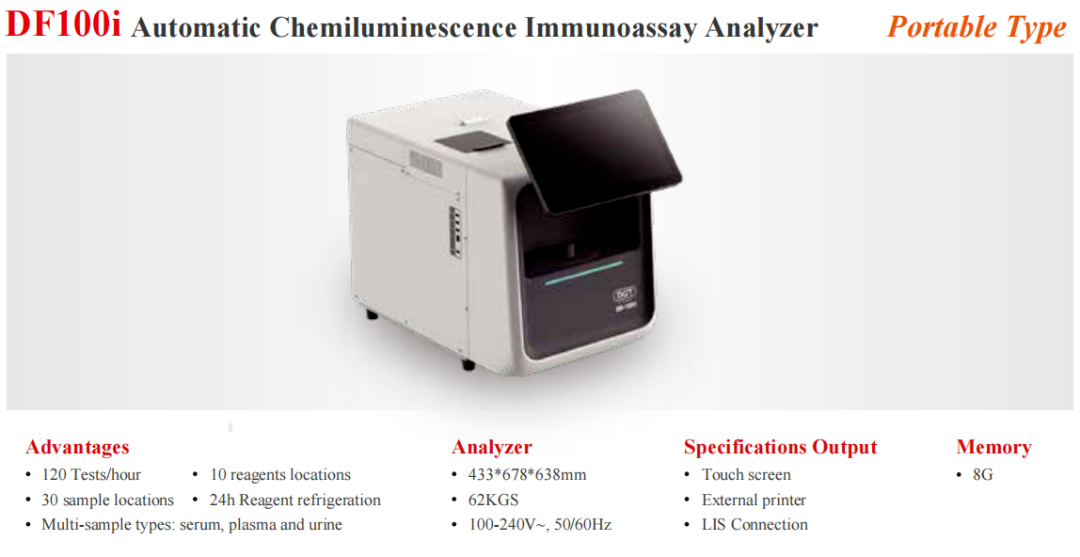
Automated Therapeutic Drug Monitoring Platformfor Chemicals and Biologics